Wet rooms are becoming a popular design choice for bathrooms. A properly designed wet room delivers a clean, modern aesthetic, improved accessibility, and – by pairing it with underfloor heating – can provide comfort and warmth. Careful selection of flooring, waterproofing, and heating system design is the key to a bathroom that not only has a pleasing visual aesthetic but also provides a practical advantage.
In this article, you will learn about:
- What defines a wet room and why it’s different from a traditional shower
- The advantages of designing a wet room for your home
- Recommended flooring materials for wet rooms
- How to integrate radiant floor heating safely and effectively
- How Warmup can help you design and purchase a radiant heating system for your wet room
What is a wet room?
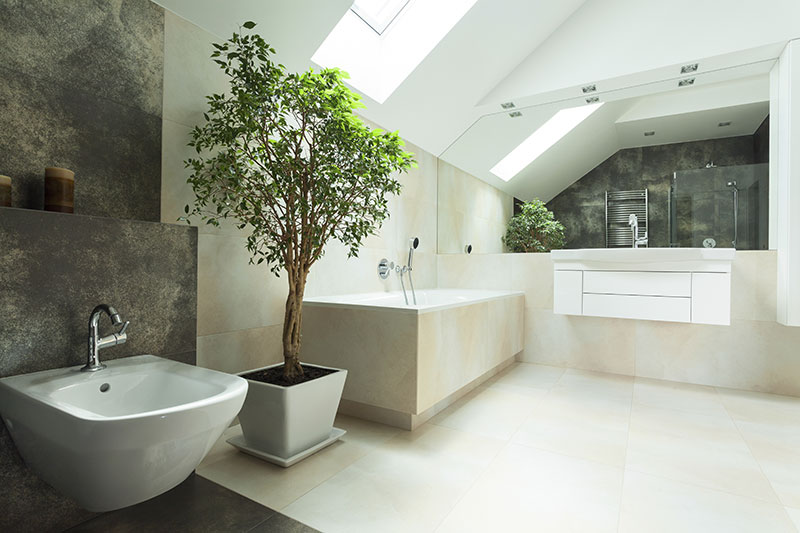
A wet room is a bathroom where the entire floor and walls are treated as part of the shower space. They are thoroughly waterproofed and the floor is designed to slope towards a drain.
Rather than having a raised shower tray or a separate shower enclosure, the room is open and level, allowing water to flow directly into the floor drain. Ideal for accessibility and small or compact bathrooms, this design supports a barrier-free transition from the main bathroom space to the shower.
For more tips on installing a wet room shower, read our expert article.
Why choose a wet room?
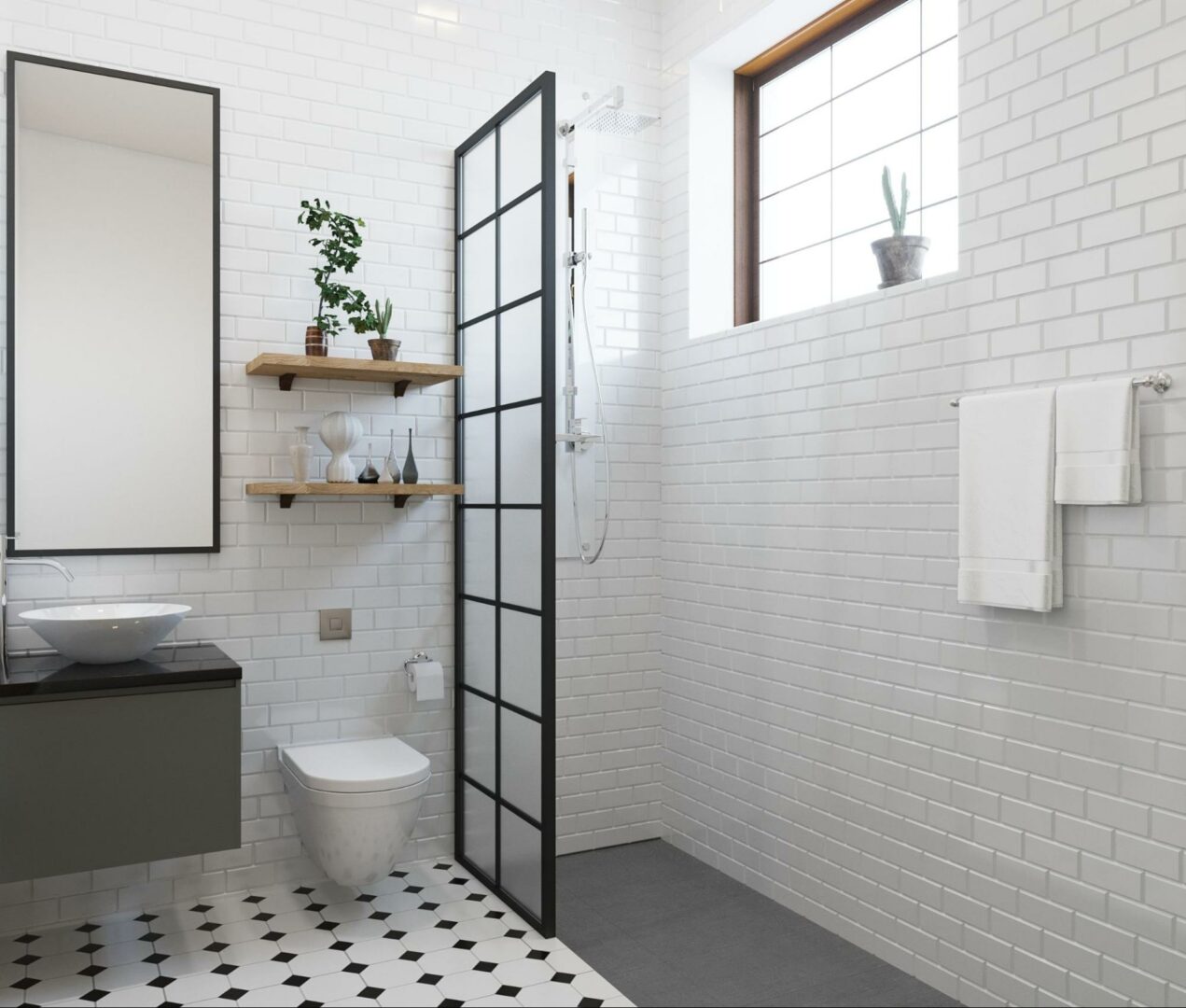
While wet rooms are typically built for their aesthetic elegance, they also offer benefits beyond their design. Wet rooms provide various functional and practical advantages over traditional bathrooms.
Accessibility & Safety
Because they do not require raised shower curbs or thresholds, wet rooms eliminate tripping hazards and allow those with limited movement to navigate a space confidently. The open-concept design can dramatically increase the accessibility of a bathroom and can create a practical solution for people with mobile deficiencies.
Optimized Space Usage
With no bulky shower enclosure dividing the area, a wet room can create more open space and make a small bathroom feel much larger.
Design Flexibility & Visual Appeal
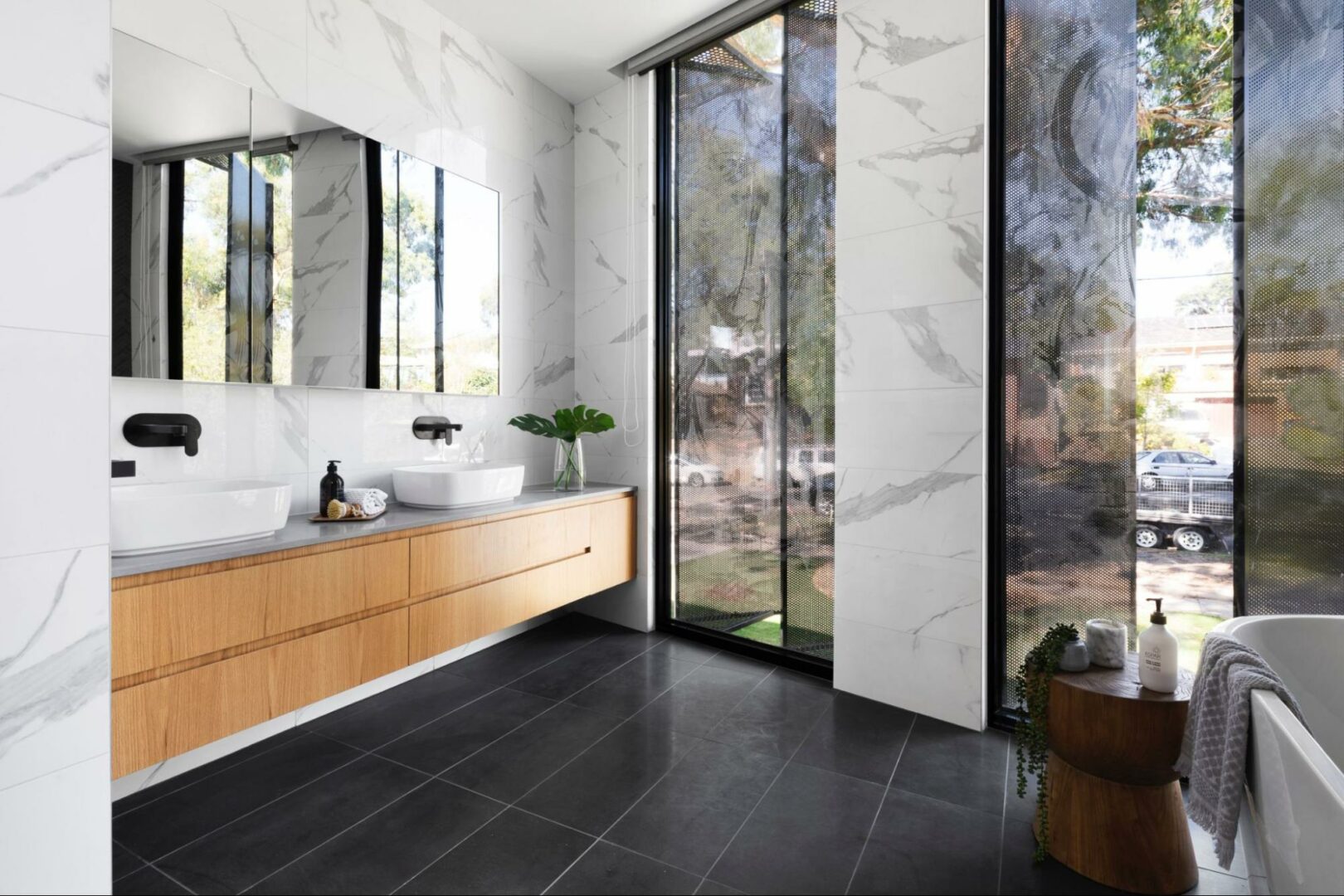
With wet room flooring, you can use one consistent, uninterrupted flooring material throughout the entire bathroom. Tiling can be extended up the walls to create a unified, minimalistic look and the shower can seamlessly blend with the rest of the room, rather than existing as an individual unit in the corner or on the back wall.
Easy to Clean
Wet rooms have fewer edges, corners, thresholds, and separate enclosures than a conventional bathroom, making cleaning simpler and faster than a conventional bathroom. Since the flooring tiles are often the same as the wall tiles, in most cases, you can use just one cleaning product on most surfaces.
Increased Comfort & Luxury
Having one uniform surface throughout the entire bathroom means that radiant heating can be installed under the whole floor. From the main area floor to inside the shower, cold tile floors can be eliminated, creating a warm, inviting, and relaxing space.
Increased Home Value
A well-executed wet room can add value to a home through its luxury design, functionality, and durability. Bathrooms are a common culprit for leaks and water damage; by completely waterproofing the entire room, the chance of water-related damage is drastically decreased.
The best flooring options for wet rooms
The type of flooring in a wet room is a defining feature of the space and will also influence the other materials you will use in the bathroom’s design. There are various options for wet room flooring, from ceramic and porcelain tiles to natural stone and rubber flooring. Making an informed decision on the flooring will significantly benefit the entirety of your space.
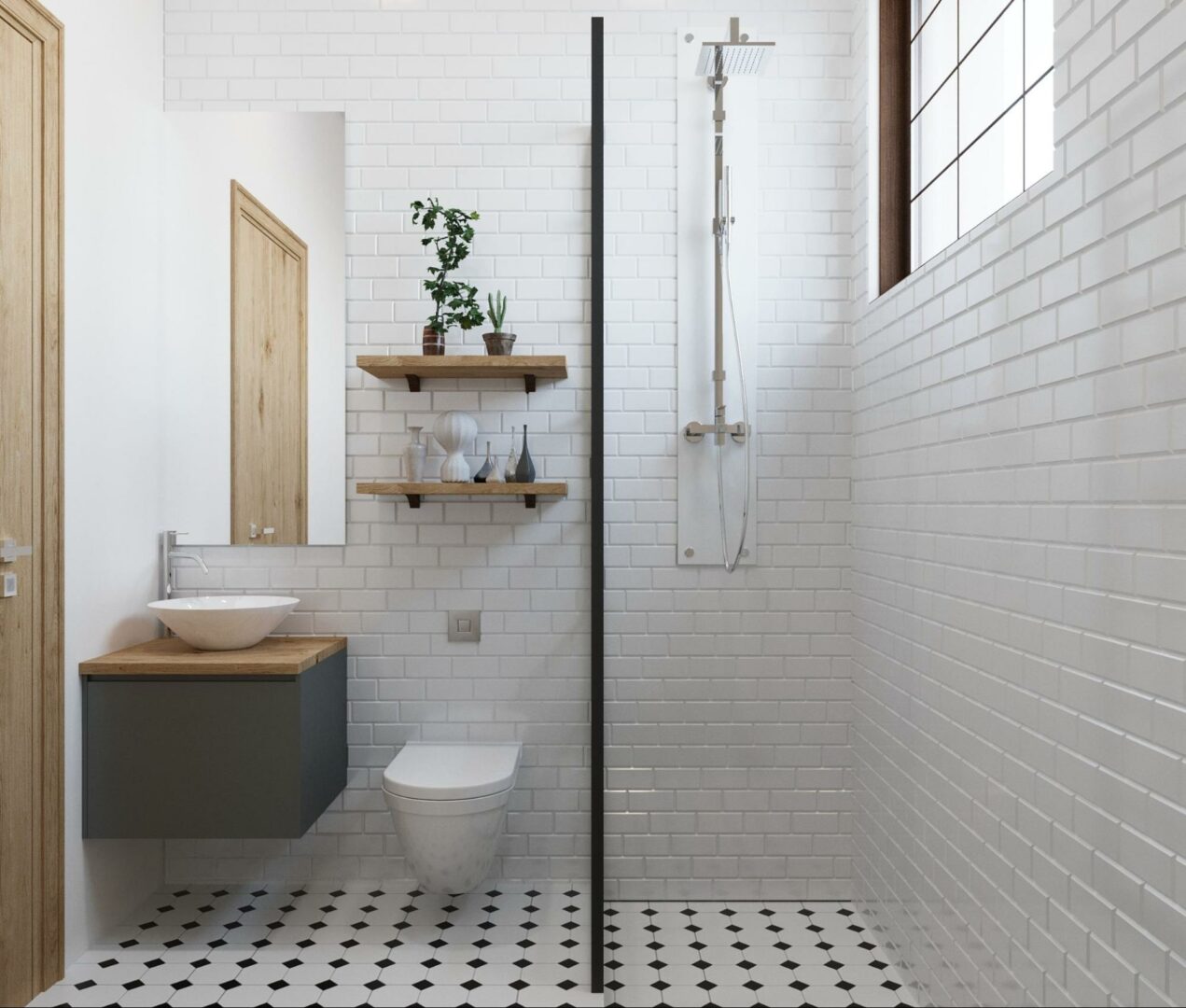
Best Overall: Ceramic & Porcelain Tile
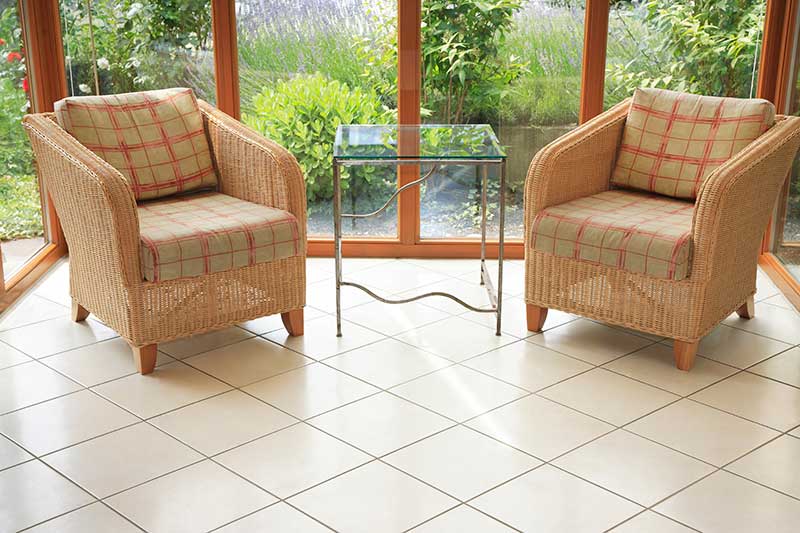
Tile flooring is the go-to choice for many wet room projects due to its versatility, aesthetic appeal, and thermal conductivity (which pairs well with radiant heating).
- Pros: Tile is available in a wide variety of shapes, sizes, colors, and styles to fit every aesthetic and budget. It is highly durable and easily installed by an experienced flooring professional.
- Cons: Without proper waterproofing and slip-resistant finishes, the floor surface may be slippery when wet.
Premium & Luxurious: Natural Stone
Natural stone works best for homeowners who are prioritizing aesthetics and are willing to invest in the proper installation and maintenance of this type of flooring.
- Pros: Natural stone offers a high-end, natural look that few other materials can match.
- Cons: The cost of material and installation is higher than other floor types. Natural stone flooring also requires precise subfloor preparation and waterproofing and may not be the most slip-resistant material unless treated or textured.
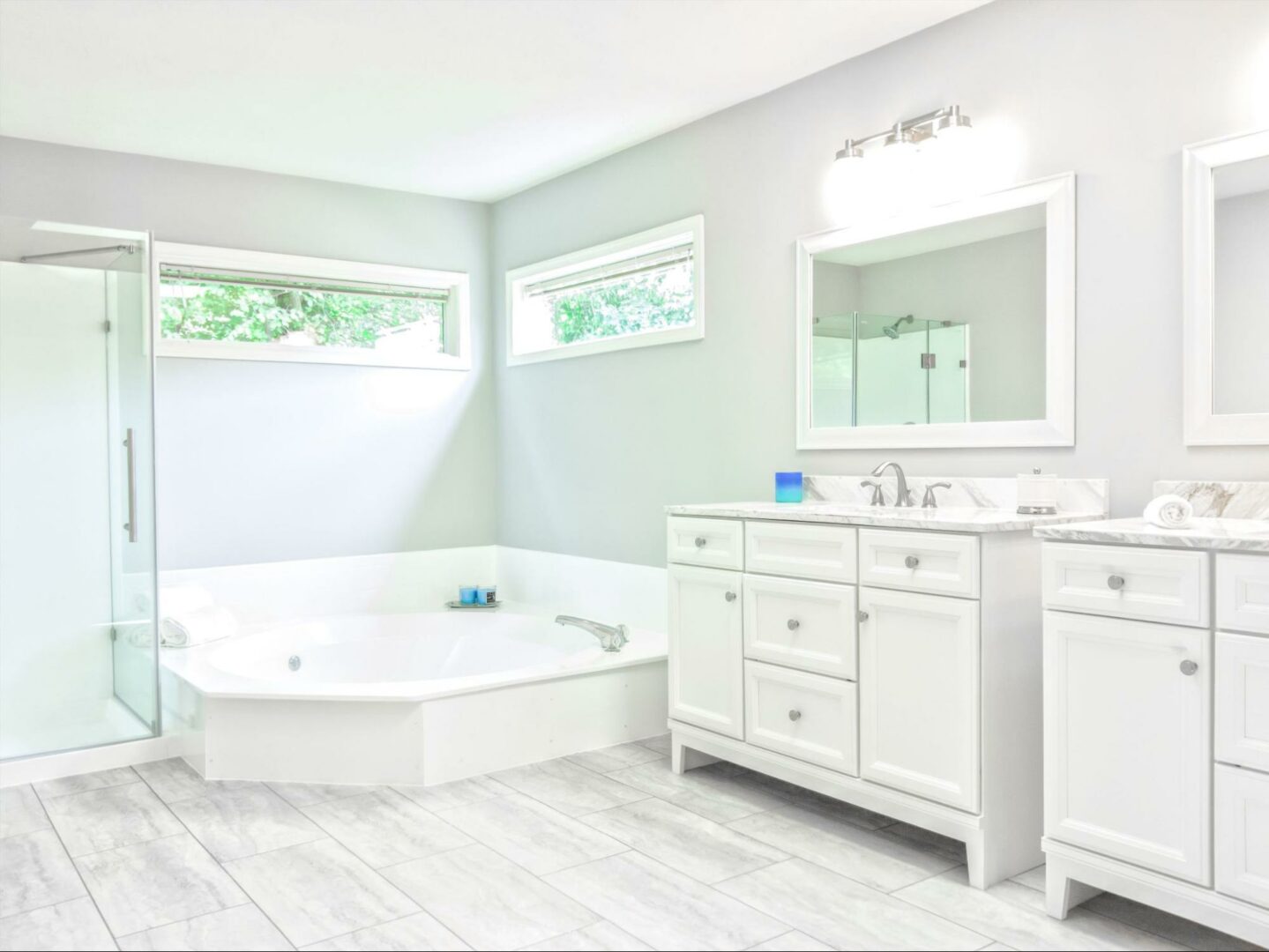
Budget-Friendly Option: Vinyl
Vinyl flooring can be a reasonable compromise for budget-constrained projects.
- Pros: Vinyl flooring costs less than tile or stone. It can be easier to install and replace and is potentially more forgiving of imperfections in the subfloor.
- Cons: Vinyl flooring may not have the same premium feel or longevity or eye-catching glamour as tile and stone.
Safety-First Consideration: Rubber
Rubber or slip-resistant surfaces are often chosen for safety over aesthetics, though they can be appropriate depending on the overall goals of the project.
- Pros: Rubber floors provide excellent slip-resistance, making them ideal in high-risk environments like commercial or senior bathrooms.
- Cons: Rubber floors are less common in residential spaces. They do not provide the same design versatility as other floor types and are more utilitarian than luxurious.
Integrating radiant floor heating with a wet room
One of the major advantages of wet rooms is their compatibility with radiant floor heating – offering warmth, comfort, and improved moisture control.
Why underfloor heating pairs well with a wet room
The most common flooring for a wet room is tile or stone. These flooring types conduct heat efficiently, making them ideal for underfloor heating systems like Warmup’s DCM-PRO cable and membrane system. Not only will it take the chill out of the bathroom floor, but the uncoupling membrane will also provide extra protection by absorbing movements in the subfloor, keeping the tile or stone floor safe from cracks.
Radiant floor heating is more efficient than other conventional heating methods for small spaces. Combined with a Smart Thermostat, such as Warmup’s 7iE, energy-usage can be easily managed so that space is only heated when it’s in use.
Tips for installing underfloor heating in a wet room
- Use an uncoupling membrane and waterproofing beneath the heating elements to protect against moisture intrusion and subfloor movement.
- Ensure there is adequate build-up above the heating system so that heat can disperse safely and evenly.
- Work with an experienced installer to make sure the floor slope, drainage, waterproofing, and underfloor heating design follow the industry’s best practices and are up to code.
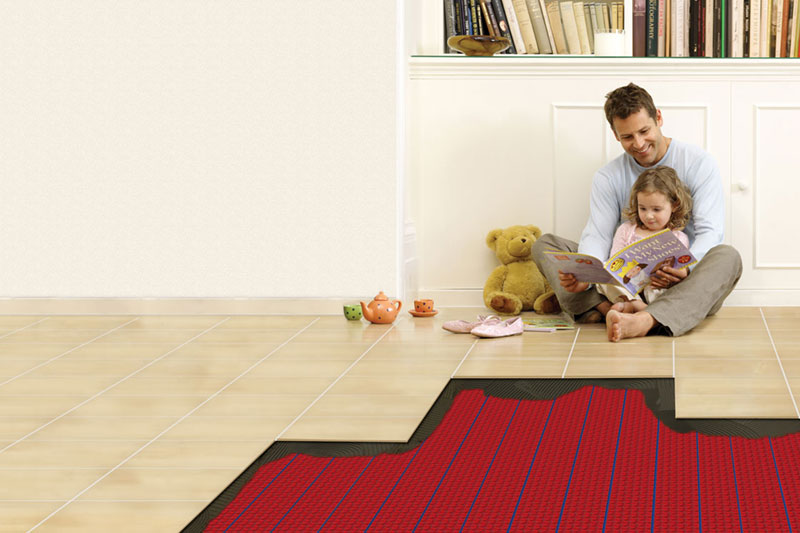
Discover the best radiant floor heating solutions with Warmup
Warmup is a research-driven company that has been developing cutting-edge technology for heating homes and providing snow melt solutions for over 25 years.
Warmup is dedicated to developing energy-efficient heating solutions for residential and commercial properties alike; in fact, pairing one of Warmup’s heating systems with the 7iE Smart Thermostat can save customers up to 25% on their energy bills.
Get an instant online quote today for your wet room project or contact our Customer Experience Team to learn more about how radiant heat can fit into your home. Visit our YouTube Channel to see our products in action.