
It may seem as though central heat is necessary to keep your home warm in colder months, though there are indeed effective alternate solutions. Installing and repeatedly using central heating systems can lead to high expenses as it runs throughout your entire home. There are better cost and energy-efficient heating options, such an underfloor radiant heating, that may even provide greater flexibility in ensuring comfort within your home.
In this guide, we’ll cover everything you need to know, including:
- Alternative heating systems to central heat
- Heat-retention strategies for your home
- Efficiency of underfloor radiant heating
- Radiant heating benefits and best uses
1. Install a wood burning stove
Installing a wood burning stove can provide a more rustic and natural-feeling way to bring warmth into your home. It is a good option if you have easy access to wood. Wood burning stoves emit a large amount of heat, though they require constant monitoring for safety purposes. Additionally, it’s important to note that repeatedly purchasing wood can lead to additional expenses. Burning wood within the home can also add particles to the air, meaning that if you choose to use a wood burning stove, you will need to monitor the indoor air quality.
Create Your Own with Wood Burning Stove Kits and 55-Gallon Drums
A great way to install a wood burning stove is to build one of your own! You can purchase a DIY kit, which would allow you to create a wood burning stove out of a 55-gallon drum. Though wood may need to be repeatedly purchased, a DIY wood burning stove is one of the fastest and cheapest ways to add heat to your home.
2. Use your fireplace and block the chimney when not in use
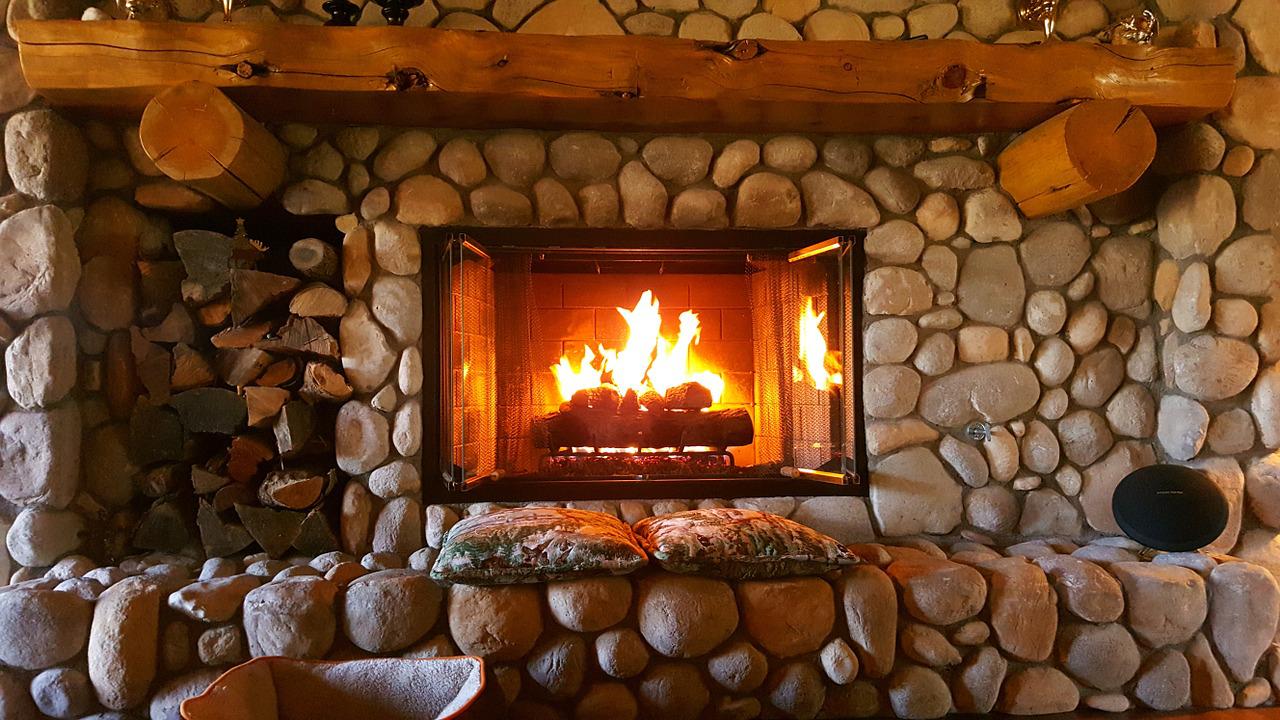
A built-in fireplace is another wonderful option for heating your home. Like wood burning stoves, wood burning fireplaces run off wood while natural gas fireplaces run on natural gas. Natural gas fireplaces are easier to maintain, as they do not require the cleanup that wood burning fireplaces do, though the price of gas to run them can become costly.
While a fireplace is perfect to use when actively warming your home in winter months, it is helpful to block the chimney when it’s not in use. If unclosed, warm air can escape through the chimney, which causes your home to lose heat faster.
3. Properly seal all doors and windows
You may find that every year is a battle to retain heat in your home. One way to help keep it all inside involves sealing the windows and doors. Check the gasketing to ensure that it’s well maintained and replace anything that is damaged. Tightly sealing the windows and doors prevents heat from leaking out, which can save you on heating costs and make sure that your home remains at a comfortable temperature.
4. Cook often
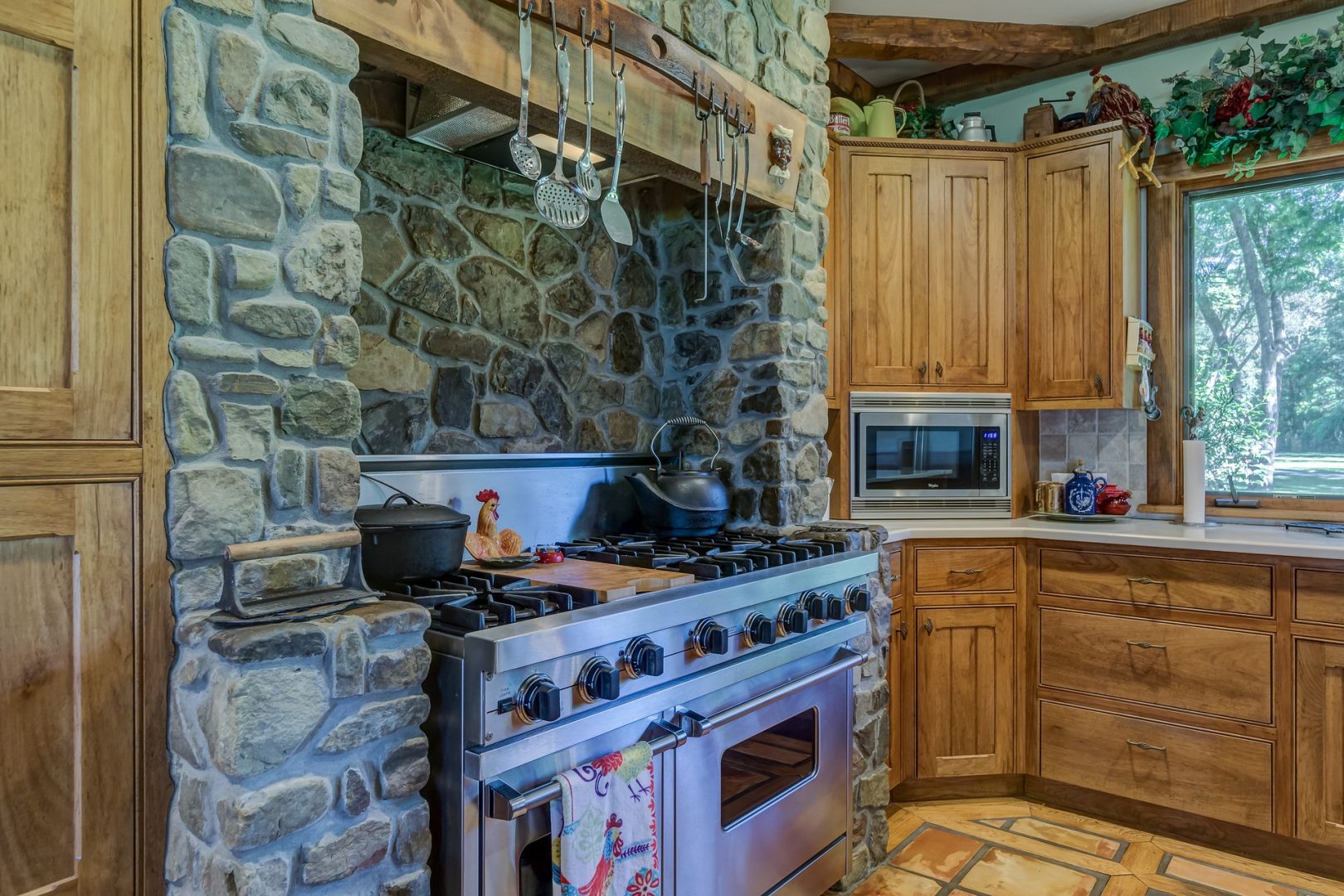
Frequent cooking provides both a fun and effective heating solution for your heating needs. When using the oven or stove to cook, the kitchen is exposed to the residual heat, which can help warm the kitchen as well as neighboring rooms. Using the oven or stove to heat your home should not be done as the primary heating method, though long and recurrent cooking times can supplement your home’s heating and result in tasty meals too.
Long cooks on stove via broths and soups
Cooking homemade broths and stews is a great choice for long cooks in the winter. Long cooks allow for flavors to develop within a dish as well as for heat and humidity to spill out and comfortably warm nearby areas of your home.
Long bakes in the oven via braising, baking, and roasting
Dishes that require cooking in the oven at a low temperature for a long amount of time – such as through braising, baking, and roasting – are similarly ideal in the winter. Heat from the oven during a long cooking time can gently heat nearby rooms while spreading pleasant scents of cooking food.
5. Install insulated curtain liners to trap heat
While heat can escape from around your windows seals, it can also escape through the window itself. Insulated curtain liners provide an easy and cost-effective way to keep the heat inside during cold moments of the year when windows are not being opened.
6. Creatively landscape to maximize your home’s sunlight contact
Sunlight provides a natural supplemental source of heating at no additional cost. Strategically pursuing landscaping around your home – such as removing obstacles that obstruct the sun or lowering plants and bushes – can increase the surface area of your home that is in contact with the sun. Because you don’t need to rely as heavily on your primary heating system, the warmth provided by the sun can help to reduce energy use and heating costs.
7. Fully insulate your attic and/or crawl spaces
Checking your attic and crawl spaces for proper insulation can prevent heat from escaping unknowingly. Without fully secure insulation, these areas can contribute to significant heat loss every year. Review these spaces and make insulation adjustments as needed to effectively maximize your home’s heat retention and energy-efficiency and remove key areas of heat loss.
8. Put down rugs and carpet

Placing rugs and carpets on your floor adds a decorative layer of insulation. Similar to how blankets keep us warm, a rug or carpet can be used to retain heat and subdue cold air from the floor. This is a simple and cost-effective option that not only has insulation benefits but also adds a fun and cozy touch to your home that can be changed over time.
9. Light candles to emit more heat
Lighting candles can be used to add heat to your rooms. They help create a welcoming atmosphere and increase a room’s comfortability by generating heat. For safety purposes, candles should only be lit in areas where they can be monitored, and make sure they are away from any flammable objects. That being said, candles should only be lit in rooms when they are actively occupied, adding an efficient extra layer of warmth exactly where and when you need it.
10. Install radiant floor heating to maximize efficiency
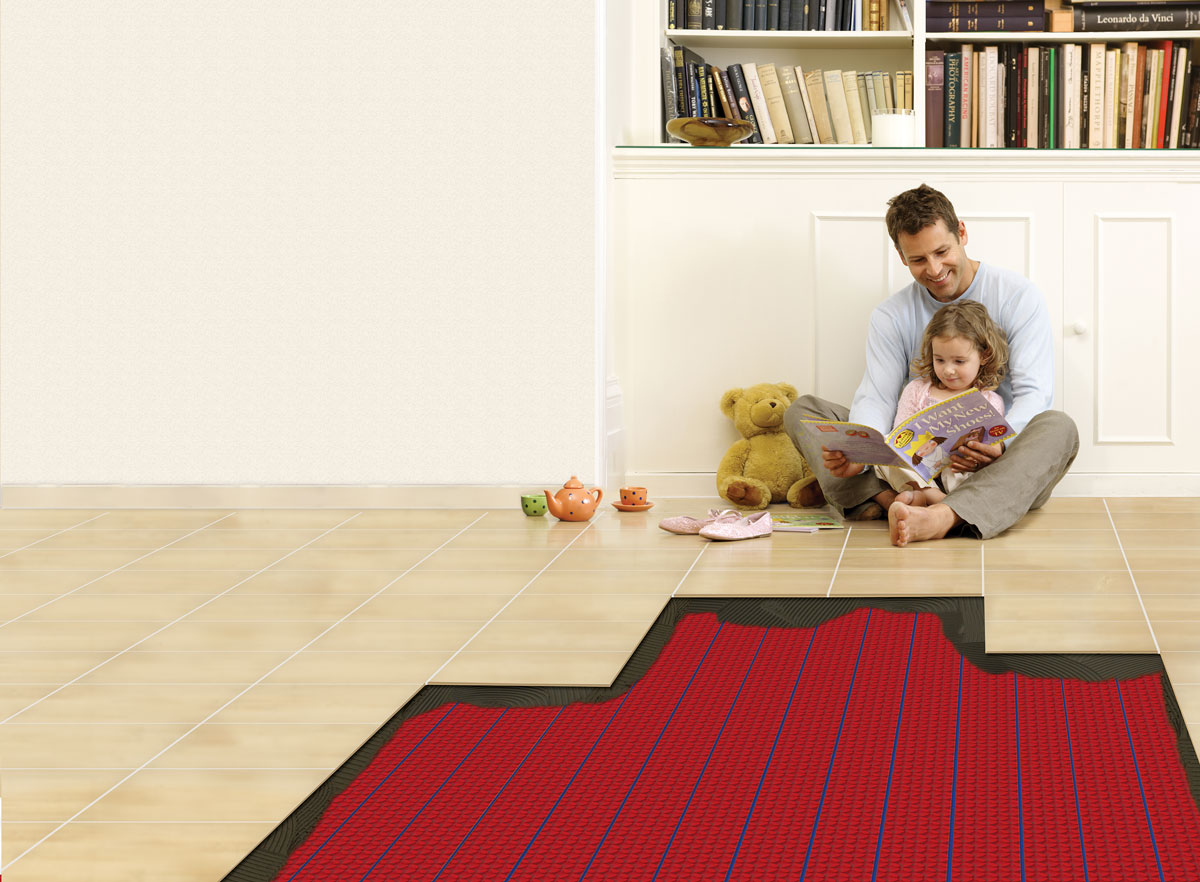
Electric radiant heating provides a long-term solution that is both cost and energy-efficient. Radiant heating systems are installed under the floor and are compatible with most floor types, including tile, vinyl, wood, laminate, concrete, and carpeting. These systems are compact, easy to install, and can be controlled with a smart thermostat for efficient, effortless temperature control.
Benefits of using radiant floor heating over central heat
Due to how heat travels in air, central heating systems often struggle to evenly heat large rooms, leaving living spaces with both warmer and cooler areas. Radiant floor heating, on the other hand, systems operate by generating heat from beneath the surface of the floor. Rather than heating the surrounding air, they provide indirect, diffused heat that gets absorbed by surrounding objects, in turn, helping to warm the entire room. This helps conserve energy and lower heating costs as less energy is used to maintain the desired temperature.
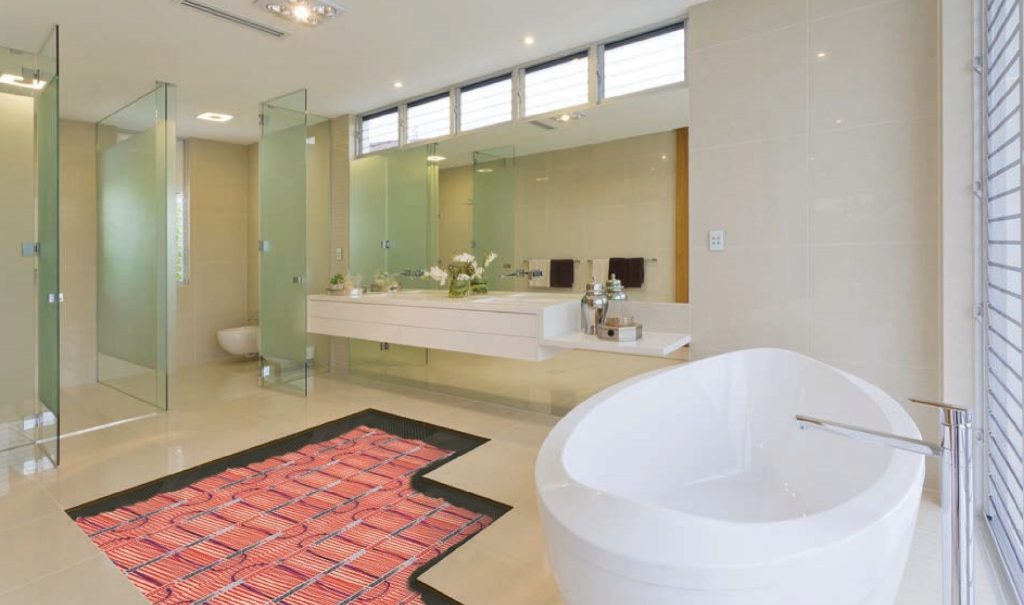
Combine insulation and radiant heating for the best solution
Insulation can be used to effectively retain heat, and when used with a radiant heating system, it can minimize heat loss, eliminate cold spots, and successfully maintain a consistent temperature throughout your home.
Warmup Ultralight Insulation Boards are strategically designed to prevent heat from passing through the subfloor, ensuring that all heat moves upwards to achieve ultimate heating efficiency.
Ultralight Insulation Boards are best paired with Warmup’s DCM-PRO and StickyMat Radiant Heating Systems. Both systems are low-profile, as they lay below the flooring, and are compatible with most radiant heating approved floor types. They require little maintenance and preserve space within a home, establishing an easy to manage heating system that keeps your home cozy and uncluttered.
Select the best radiant floor heating system with Warmup
By choosing the best radiant heating system, you can increase both the value, comfort, and energy-efficiency within your home. Warmup Radiant Heating Systems provide an ideal primary heating source that can be more effective than central heat, as it can be tailored to maximize energy output within your home’s existing layout and best meet your heating preferences.
Contact us today or visit our website to learn more about electric radiant heating and all the products Warmup offers.
Get a free, instant quote today to find the best Warmup system for your requirements. For more maintenance and installation tips, check out our YouTube channel.